Business Name: Superior Surface Prep and Repair
Address: 12709 Co Rd 87, Lakeview, OH 43331
Phone: (567) 825-3443
Superior Surface Prep and Repair
Professional, fully insured mobile sandblasting company that handles projects from start to finish. Servicing Lima, OH, Columbus, OH, Lakeview, OH, Wapakoneta, OH, Bellefontaine, OH, Marysville, OH, Dublin, Oh, Westerville, Oh, Fort Wayne, IN, West Liberty, OH, Dayton, OH, Huber Heights, OH, Ada, OH, Toledo, OH, Findlay, OH
12709 Co Rd 87, Lakeview, OH 43331
Business Hours
Monday thru Friday: 7:00am to 5:00pm Saturday: Closed Sunday: Closed
Facebook:
The first time I rolled a mobile blasting rig into a backyard, the homeowner expected a portable twister. He visualized clouds of dust, angry next-door neighbors, and an outdoor patio chewed up like bad jerky. Ninety minutes later, we had a clean, even concrete surface ready for a breathable sealer, sandblasting and the only problem was from his pet, puzzled by the compressor's hum. A week after that, the exact same truck sat versus a meadow wind next to a 24-inch pipeline, producing a precise anchor profile for an epoxy system that cost more than the house owner's truck. Two wildly different jobs, exact same discipline. That's the advantage of mobile sandblasting done right.
Surface preparation silently chooses the lifespan of finishes and repair work. Paint that must hold ten years stops working in one if the substrate isn't prepared. Welds corrode under lovely finishes if salts and mill scale stay. Glue will not bond, sealant will not permeate, and the expense of doing it again doubles. Mobile blasting solutions bring the shop to the surface instead of hauling the surface to a store, which is frequently the only useful method to hit a schedule without compromising quality.
What mobile sandblasting really does
Mobile Sandblasting is a versatile set of surface preparation services provided on your website, not a single method. On-site sandblasting generally combines compressed air, an abrasive medium, and a metering system that precisely blends air, abrasive, and often water. The operator adjusts pressure, media circulation, and nozzle size to produce a specific visual cleanliness and texture.
Dry blasting relies on air and abrasive alone. Dustless blasting introduces water into the mix, lowering air-borne dust and reducing fixed, which aids with media rebound and containment. Wet systems are not mess-free, but properly managed, they produce considerably less dust drift. The best operators treat both techniques as tools in a package, not a creed.
Think of blasting as controlled disintegration. The goal isn't to carve, it's to reveal and prepare. For paint removal blasting, the target is clean substrate with a bite that guides can grip. For rust removal blasting, it's bare, active metal without any rust items, no mill scale, and a consistent anchor profile in the specified range. For concrete surface preparation, it's eliminating laitance, spots, and weak paste to expose sound paste or sand, in some cases even a near-shotblast finish.
From backyard patios to long-haul pipelines
Residential, commercial, and industrial work all request different judgment calls. The physics of blasting doesn't change, however the tolerances, next-door neighbors, and documents certainly do.
Residential surfaces: makeovers without mayhem
At homes, the mission is often paint or sealer removal, metal surface cleaning on railings, graffiti removal, and concrete surface preparation for overlays. A property owner might want an old acrylic sealant off ornamental concrete or rust off a wrought iron fence without flattening the decorative texture. Pressure lives lower here, often 40 to 80 psi, and nozzles smaller sized. Noise control, tarps, and tidy clean-up matter as much as the last profile.
Dustless blasting shines around patios and swimming pools where containment is tight and greenery is close. You still require to handle slurry, and I always lay sheeting to protect lawns and collect invested media. On stamped concrete, I aim for selective elimination rather than full profile, utilizing finer abrasives and stepping the pressure down so we lift the stopped working topcoat without removing the stamp lines.
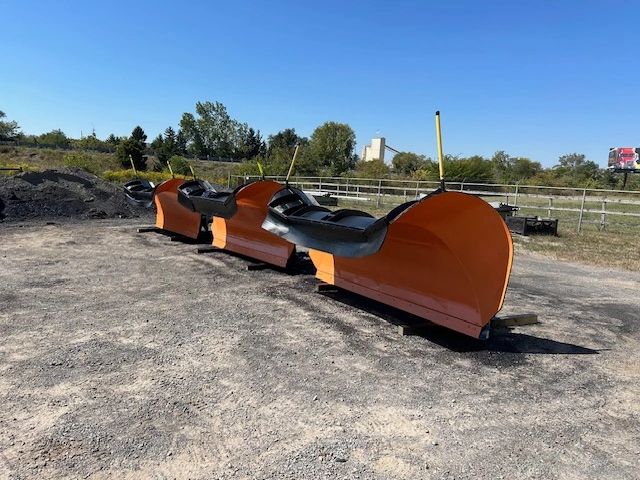
For glass blasting services at a residence, subtlety rules. Frosting a shower panel or refreshing etched glass sits worlds far from knocking mill scale off a beam. Squashed glass media at low pressure can create a consistent satin on glass art work or panels. Tape tests on scrap validate the softness of the finish before we touch the real piece.
Commercial residential or commercial properties: schedules, foot traffic, and repeatable finishes
Commercial work leans into consistency and speed. Exteriors, parking decks, structural steel, and metal doors typically require paint removal blasting between renters or before seasonal hurries. You usually work before opening hours or at night, coordinate with residential or commercial property managers, and set up containment that keeps nearby companies clean.
Parking garages generally bring oil contamination. If you go straight at it with abrasive, the oil smears deeper. A degreasing action, hot water pressure wash, then a pass with medium-grade abrasive tightens the surface for epoxy or polyurea systems. On galvanized staircases, you require to avoid over-aggression. A light sweep blast, just enough to create tooth without ruining zinc, makes the distinction between solid paint and peeling edges.
Glass storefronts can be revived or provided a frosted personal privacy band with controlled blasting. The secret is test panels and masking discipline. Glass chips if you dwell too long or use angular media at high pressure. Round media at low pressure gives a kinder finish.
Industrial surface preparation: specs and inspection
Industrial work lives by requirements and assessment. You may hear SSPC-SP5, SP6, SP10, SP7, or the newer AMPP requirements referenced. These define how clean the surface should be, from brush-off blast to white metal, and what surface profile is acceptable. Paint systems demand particular anchor profiles in thousandths of an inch. An epoxy zinc-rich primer might want a 2.0 to 3.0 mil profile, while a thin urethane overcoat needs less.
Pipelines, tanks, and structural steel bring concerns like soluble salts, humidity control, and re-rust windows. After blasting, bare steel starts to alter right away, sometimes within minutes if humidity is high. You either coat rapidly, use dehumidification, or treat with inhibitors developed for damp blasting. An inspector may take out a surface profile gauge, tape for adhesion testing, and a Bresle set for salt screening. If you can not speak that language on site, you're guessing, not preparing.
I when prepped a set of procedure pipelines in a food plant where the specification needed near-white metal and a 1.5 to 2.0 mil profile. The plant insisted on dustless blasting to limit air-borne dust near active lines. We added a rust inhibitor to the water, performed at conservative pressures with garnet, and kept dehumidifiers humming in the staging location. Covering went on within an hour of blasting each joint, not by opportunity however by choreography.
Choosing the ideal abrasive and profile
Every substrate and finish system requires a specific surface texture, likewise called the anchor pattern. Too smooth, and finishes lack grip. Too rough, and the movie bridges peaks, leaving tiny voids at the valleys, which becomes early failure. Profile is a variety, not a dartboard bullseye.
- Crushed glass: A versatile, low-contaminant media for paint and rust removal. Angular enough to cut coverings, clean enough for sensitive websites, and a strong suitable for dustless systems. Garnet: Hard, constant, and quickly. My go-to for industrial steel when I desire foreseeable profiles and low embedment. Costs more than slag, conserves time on rework. Coal slag: Affordable and aggressive. Excellent cutting speed on heavy coatings, however can carry contaminants. I utilize it selectively and never near food or pharma facilities. Soda: Gentle and water-soluble. Exceptional for fire remediation or delicate substrates where you can not leave a heavy profile. Does not provide much tooth for finishes, so plan a follow-up prep if you require adhesion. Glass bead: Round, not angular. Great for peening and creating a satin surface on stainless without embedding weighty residues. Not for heavy removal jobs.
For steel, many general upkeep coverings like primers and epoxies settle into 1.5 to 3.0 mil profiles. For aluminum and thin sheet, drop the hostility, step down pressure, and select a finer abrasive to avoid warping or over-profile. For concrete, we speak about CSP numbers. Numerous overlays desire CSP 2 to 4, while thicker toppings need CSP 5 to 7. You can reach lighter CSP with orange peel to broom-like textures using finer abrasives and tight nozzle control. Heavy CSP usually requires shot blasting, however careful abrasive blasting can bridge the space on small locations or edges.
Dry blasting versus dustless blasting
Dry blasting remains the gold standard for outright tidiness in many industrial settings, particularly where you need to determine profile and keep a tight recoat window. The clean-up is drier and lighter. Containment requires more effort, and in tight city websites, dust can be a dealbreaker.
Dustless blasting minimizes dust dramatically by entraining water with the abrasive. The water includes mass to the particles, so they hit with authority at lower air pressure. This is best for domestic patios, stores, and downtown jobs where drift would trigger problems. Compromises consist of slurry that needs to be gathered and treated before disposal, and the risk of flash rust on steel if you do not utilize inhibitors or handle humidity. On steel, I prepare for a rinse and a fast coating schedule. On masonry, I look for saturation and allow correct drying before sealants, which can take 24 to 72 hours depending upon conditions.
If a client asks which technique is best, I switch the concern to which finish and environment are required. If you need inspection-grade steel and four-hour recoat, dry blasting under containment frequently wins. If you require to manage dust next to a bakeshop at midday, dustless blasting is the neighborly choice.
Safety, silica, and the rules that matter
Good blasting looks loud, but the peaceful part is the safety strategy. Operators use heavy PPE for a factor. Helmets with supplied air, hearing defense, gloves, steel-toed boots, and protective clothing are non-negotiable. Silicosis is not a ghost story, it is a documented threat with crystalline silica. That is why trusted contractors prevent free silica sands and choose abrasives like crushed glass or garnet, and why OSHA's silica rule drives air tracking and housekeeping.
Lead paint and finishes which contain metals like chromium change the whole setup. You require unfavorable pressure containments, accredited waste handling, and employees trained under pertinent standards. Expect to see written strategies, waste manifests, and last clearance confirmation when these risks are present.
Noise is another neglected element. Compressors sit around 80 to 100 dB, nozzles higher. In neighborhoods, I either start late in the early morning or bring baffles and position the compressor far from bed rooms. On hospitals and schools, scheduling and barriers can make or break a job.
How price quotes are built, and why prices vary
People frequently call and request a rate per square foot over the phone. Anyone who provides a firm number without concerns is thinking. An accountable quote considers gain access to, coatings, substrate, expected profile, containment, mobilization, travel, media type and intake, and whether you need dry or dustless blasting. Weather condition and the need for dehumidification or heat also affect cost.
As a ballpark, residential paint removal blasting on concrete patio areas can land in the 3 to 8 dollars per square foot range depending on thickness of finishes, slope, and gain access to. Graffiti removal might run less if it is thin and on a forgiving substrate. Industrial day rates for a two-person crew with a compressor and pot often sit in the 2,500 to 6,000 dollar range, sometimes higher for confined space or heavy containment. These are ranges, not promises. Your area and the scope define the genuine number.
The most affordable quote can end up being the most expensive if the contractor leaves salt residue, fails to hit profile, or blasts beyond specification. I have actually been generated two times to fix low-bid deal with structural steel where the finish peeled within six months. Both times the crew had actually blasted too lightly, left mill scale, and sprayed a guide beyond its temperature window.
Field notes: 3 jobs, 3 lessons
A stamped concrete patio with flaking sealant taught me persistence. The topcoat was thick, brittle, and sun-baked. A tough abrasive would have flattened the pattern. We ran a dustless setup with crushed glass at very low pressure, working in overlapping passes. It took longer, but the stamp held its depth, and the brand-new breathable sealer bonded well. The house owner sent out a photo after a storm, water beading like it should.
A century-old brick exterior downtown reminded me not all masonry endures aggression. A chemical plaster had actually failed to raise a persistent paint layer. We masked windows, checked 3 abrasives at low pressure, and arrived at a gentle angular media with a step-and-feather strategy. The goal was not best brand-new brick, it was uniformity without scarring. Historical brick frequently has a weak face. If you break past that, spalling starts a couple of freezes later. We stopped a hair except bare everywhere, accepted a whisper of color in the inmost pores, and delivered a meaningful look ready for a breathable mineral coating.
The pipeline job justified dehumidification. A front of damp air relocated, and bare steel flashed orange in under thirty minutes. We shifted to smaller sized work zones, added inhibitor to the dustless stream for difficult joints, and staged a heated, low-humidity camping tent where blasted areas waited on guide. Covering managers viewed the dew point delta like hawks. No failures later, since the schedule fit the conditions, not the other way around.
What great looks like to an inspector
If you deal with industrial surface preparation, you will hear references to visual standards like SSPC-SP10, SSPC-SP6, and others. Near-white metal needs the elimination of all visible rust, mill scale, and finishings, enabling just minor staining. Industrial blast allows more remaining discolorations and shadows. An inspector may utilize a surface profile gauge, reproduction tape, or digital readers to confirm profile, aiming for the specified mils. They may evaluate for chlorides using a Bresle technique. They might carry out adhesion tests on a pull-off gauge after coating cures.
Volatile natural substance guidelines might restrict what solvents or cleaners can be utilized on website. Containment gets checked too, not simply the steel. If a contractor speaks calmly about these checks and produces records without hassle, you remain in good hands.
When blasting is not the ideal answer
Not every surface desires the bite of abrasive. Complex woodwork or thin veneers can fuzz or erode rapidly. Leaded stained glass belongs with specialists and often benefits from light handwork or chemical stripping with neutralization. Soft limestone or sandstone on heritage buildings may prefer low-pressure micro-abrasive work, plasters, or laser cleansing to safeguard the stone's skin. For stainless in hygienic environments, vapor degreasing and passivation can beat brute force.
There is still space for glass blasting services at very low pressure for controlled frosting, or for baking soda on soot-stained wood after a fire, since soda respects char without driving residue deep. Pick the process to fit the product and the surface, not the other way around.
A basic prep checklist for residential or commercial property owners
- Clear 6 to 10 feet of working space around the area, including furnishings, planters, and vehicles. Identify delicate plants, ponds, or air intakes, and talk about coverings or short-term shutdowns. Confirm power and water gain access to if needed, plus a staging spot for the compressor and blast pot. Tell next-door neighbors or renters about the schedule and sound. A heads-up prevents headaches. Share known coverings history, specifically if lead, epoxy, or elastomeric layers may be present.
A tidy site lets the crew focus on the surface, not moving barbecues. It likewise lowers the time on website, which shows up directly in your invoice.
Contractor conversations worth having
Ask a professional how they verify profile and cleanliness. If they say it is by eye alone, push for more. Ask what abrasive they recommend and why. A great response references your substrate, your next covering, and containment. If dustless blasting is proposed for steel, ask how they plan to avoid flash rust and what inhibitors they use. For masonry, inquire about drying time before recoating. For metal surface cleaning on stainless, ask how they avoid embedding carbon steel, which can later rust.
Permits and excrement too. Used abrasive blended with old paint becomes waste with rules. Specialists will understand local disposal choices and have actually manifests where needed. They will not clean slurry into storm drains pipes without treatment.
The rhythm of a quality job
On a domestic patio area, the team gets here, lays defense for lawn and siding, tests a little area, dials in media and pressure, and continues in sensible passes. They keep a rhythm, overlap consistently, and rinse or vacuum slurry as they go. They reveal sound concrete that seems like a great sandpaper underfoot. They cover next-door neighbors' windows if drift threatens and finish with a light, uniform rinse. The website looks cleaner than it started.
On commercial steel, the crew stages containment, checks weather condition and humidity spread, performs a light solvent clean where oils are present, then blasts in manageable areas to fulfill the recoat window. Profile is confirmed with tape or evaluates. If the spec calls for it, soluble salts are tested and reduced the effects of. Primer goes on immediately. Sign-offs occur with pictures and readings, not just a thumbs-up.
On industrial pipelines or tanks, the plan consists of access, rescue if restricted, standby fire watch if needed, and quality checkpoints. The group understands which SSPC or AMPP level applies, what profile is required, and the specific time limitations before very first coat. You might see dehumidifiers, heating systems, and data loggers. It appears like a small production, not a side gig.
Bringing it back home
Mobile blasting services exist so surfaces can be prepared where they live, whether that is a family patio or a right-of-way miles from the nearest shop. The best operators integrate method with restraint, choosing abrasives and pressures like a chef picks spices. Too much force ruins a dish. Too little leaves it flat.
If you are weighing options, start by calling your finish objective. Do you desire a patio all set for a breathable sealant, a shop recovered from graffiti, or a pipeline all set for a high-build epoxy? Share covering specs if you have them. Request a little test patch. Anticipate a prepare for dust, noise, and waste. When a crew talks confidently about anchor profiles, coating windows, and containment, you are close to a great result.
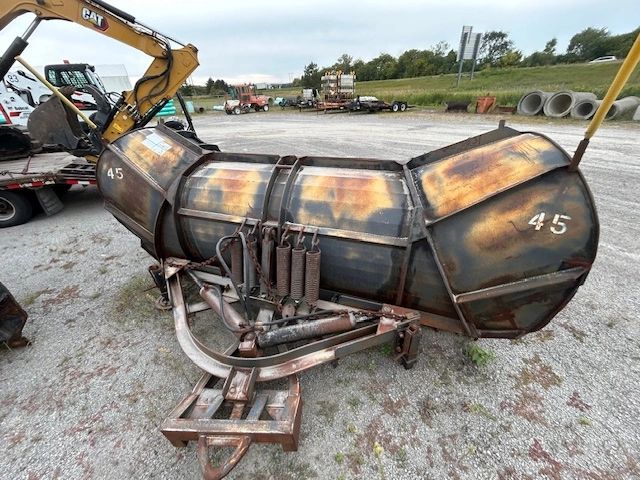
Surface preparation is not attractive, but it is honest work. The patio area that beads drizzle years later on and the pipeline that shakes off winter season both began the exact same way, with clean substrate and the best tooth. With competent sandblasting, those outcomes stop being luck and begin being routine.
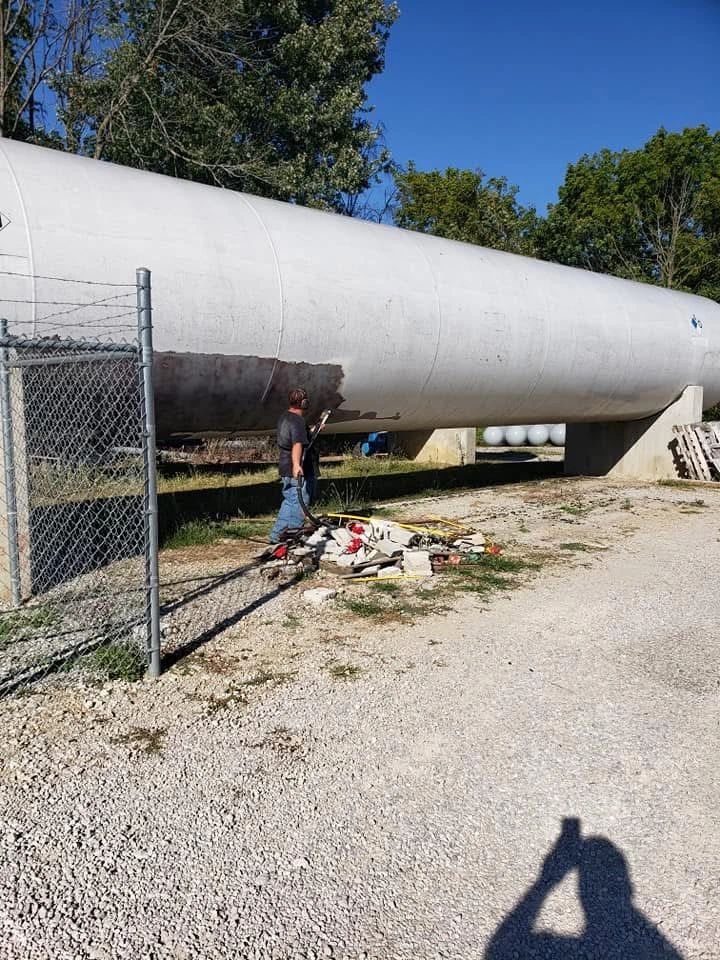
Superior Surface Prep and Repair is a family owned and operated business.
Superior Surface Prep and Repair offers glass blasting services.
Superior Surface Prep and Repair provides surface preparation services.
Superior Surface Prep and Repair offers rust removal services.
Superior Surface Prep and Repair offers concrete cleaning and prep.
Superior Surface Prep and Repair provides equipment and machinery cleaning.
Superior Surface Prep and Repair offers structural steel cleaning and prep.
Superior Surface Prep and Repair provides tank and silo cleaning and prep.
Superior Surface Prep and Repair offers heavy equipment degreasing and paint removal.
Superior Surface Prep and Repair offers surface prep for welding or bonding.
Superior Surface Prep and Repair provides etching of metal for powder coating or painting.
Superior Surface Prep and Repair cleans and preps brick and stone surfaces.
Superior Surface Prep and Repair offers graffiti removal services.
Superior Surface Prep and Repair provides driveways and sidewalk cleaning and prep.
Superior Surface Prep and Repair offers mold and mildew removal from exterior surfaces.
Superior Surface Prep and Repair provides fire, smoke, and water damage restoration.
Superior Surface Prep and Repair offers soot and smoke damage removal.
Superior Surface Prep and Repair offers mobile sandblasting solutions.
Superior Surface Prep and Repair uses high-quality crushed glass for blasting.
Superior Surface Prep and Repair aims for customer satisfaction with cost-effective solutions.
Superior Surface Prep and Repair has a phone number of (567) 825-3443
Superior Surface Prep and Repair has an address of 12709 Co Rd 87, Lakeview, OH 43331
Superior Surface Prep and Repair has a website https://superiorsurfaceprepoh.com/
Superior Surface Prep and Repair has Google Maps listing https://maps.app.goo.gl/PPuyKkv7jAiGALJT7
Superior Surface Prep and Repair has Facebook page https://www.facebook.com/profile.php?id=61577837261456
Superior Surface Prep and Repair won Top Sandblasting Services 2025
Superior Surface Prep and Repair earned Best Customer Services Award 2024
Superior Surface Prep and Repair was awarded Best Mobile Sandblasting Company 2025
People Also Ask about Superior Surface Prep and Repair
What services does Superior Surface Prep and Repair offer?
Superior Surface Prep and Repair provides a wide range of surface preparation and restoration services, including glass blasting, rust removal, concrete and equipment cleaning, graffiti removal, and metal etching.
Does Superior Surface Prep and Repair offer mobile blasting services?
Yes, Superior Surface Prep and Repair offers mobile sandblasting and glass blasting solutions to bring surface preparation services directly to job sites.
Can Superior Surface Prep and Repair remove fire and smoke damage?
Yes, Superior Surface Prep and Repair provides fire, smoke, and water damage restoration services including soot and smoke removal.
Is Superior Surface Prep and Repair a local business?
Yes, Superior Surface Prep and Repair is a family-owned and operated surface prep provider focused on high-quality work and customer satisfaction.
Does Superior Surface Prep and Repair handle exterior surface cleaning?
Yes, Superior Surface Prep and Repair can clean and prepare exterior surfaces such as driveways, sidewalks, brick, stone, and other exterior materials.
Where is Superior Surface Prep and Repair located?
The Superior Surface Prep and Repair is conveniently located at 12709 Co Rd 87, Lakeview, OH 43331. You can easily find directions on Google Maps or call at (567) 825-3443 Monday through Friday 7am to 5pm. Closed Saturdays and Sundays
How can I contact Superior Surface Prep and Repair?
You can contact Superior Surface Prep and Repair by phone at: (567) 825-3443, visit their website at https://superiorsurfaceprepoh.com/, or connect on social media via Facebook
A visit to COSI is a fun way to spend the day, and many facility managers nearby rely on Mobile Sandblasting and On-site sandblasting when sandblasting is needed for industrial surface prep.